 Zerolimits
Hanging leg raise
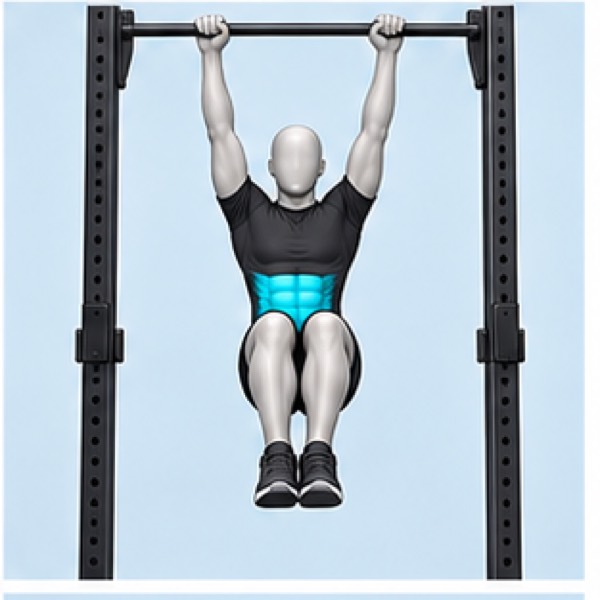
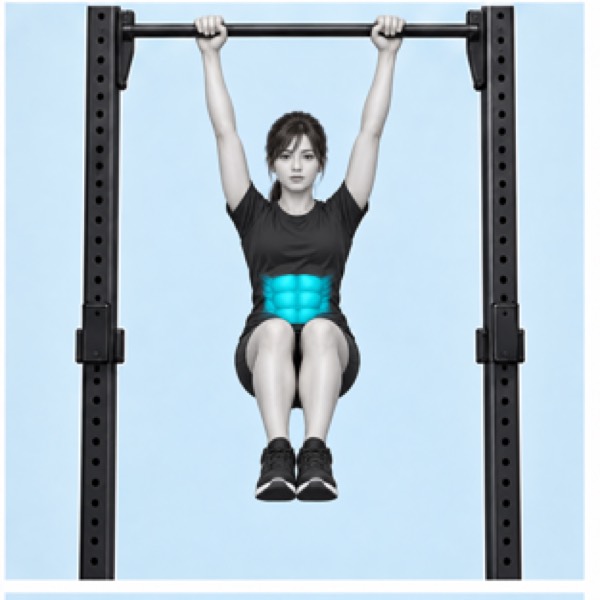
The hanging leg raise is an exercise where you hang from a pull-up bar and lift your straight legs to horizontal or higher, and it mainly works your rectus abdominis and hip flexors. It's harder than the bent-knee version and one of the toughest ab exercises you can do on a bar.
- Primary muscle
- Core
- Also works
- —
- Equipment
- Bodyweight
- Pattern
- Core flexion
Muscles worked
Your hip flexors (iliopsoas, rectus femoris and tensor fasciae latae) lift your legs to horizontal. Your rectus abdominis really kicks in when you curl your pelvis at the top and your lower back rounds; your obliques assist. If you stop at 90° with a flat back, your abs mostly just stabilize. Your forearms, lats and shoulders hold you on the bar for the whole set.
How to do it
Setup
- Hang from the bar with an overhand, shoulder-width grip and straight arms.
- Pull your shoulders down slightly without bending your elbows, and keep your legs together.
- Come to a dead stop before you start: any swing carries through the whole set.
Execution
- Brace your abs and lift your legs together and straight, with no momentum.
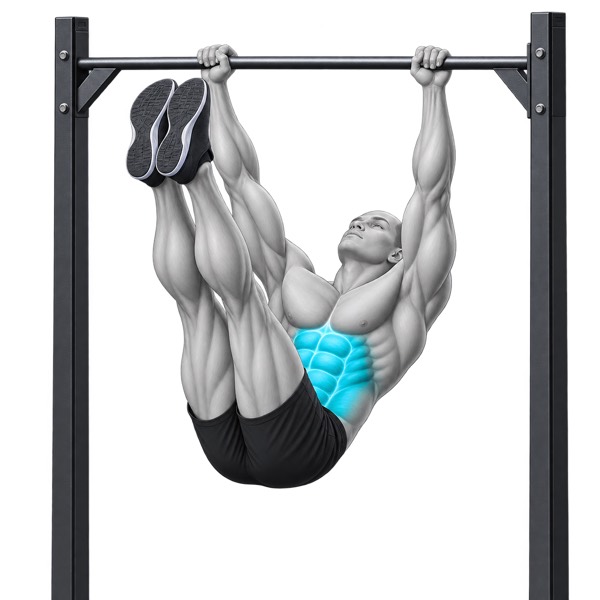
- When they reach horizontal, keep going and curl your pelvis toward your ribs.
- Hold for a second at the top.
- Lower over 2–3 seconds and stop your legs slightly in front of you so you don't swing back.
Key cue: At the top, curl your pelvis toward your ribs; don't just lift your legs.
Common mistakes
- Swinging. If you use the rebound from the last rep to come up, your abs barely work. Stop at the bottom and start each rep from a dead hang.
- Stopping at 90° with a flat back. That's mostly hip flexors. Go higher and curl your pelvis.
- Bending your knees mid-set. If you can't keep your legs straight anymore, finish with bent knees on purpose and log how many of each you did.
- Losing your grip before your abs. If your hands give out first, use straps or switch to the captain's chair.
Variations
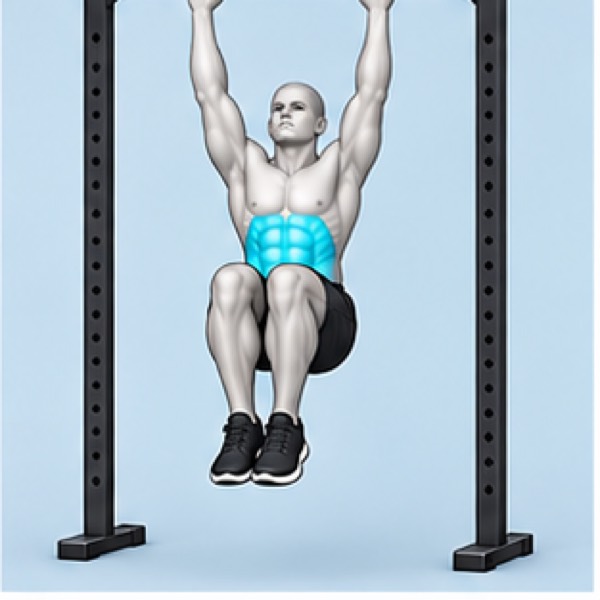
- Hanging knee raise: Bent knees shorten the lever. The regression if you can't do 6 strict reps with straight legs yet.
- Toes to bar: You go all the way until your feet touch the bar. The next step once you pass 12 clean reps.
- Captain's chair leg raise: With your forearms on the pads and your back against the backrest, grip stops being the limit and there's almost no swing.
Sets and reps
Do 6–12 strict reps; once you pass 12, slow down the lowering or raise your feet to the bar. To build muscle and strength: 6–12 reps, 3–4 sets. When you complete the range on every set, add a little weight. That's double progression.
Alternatives
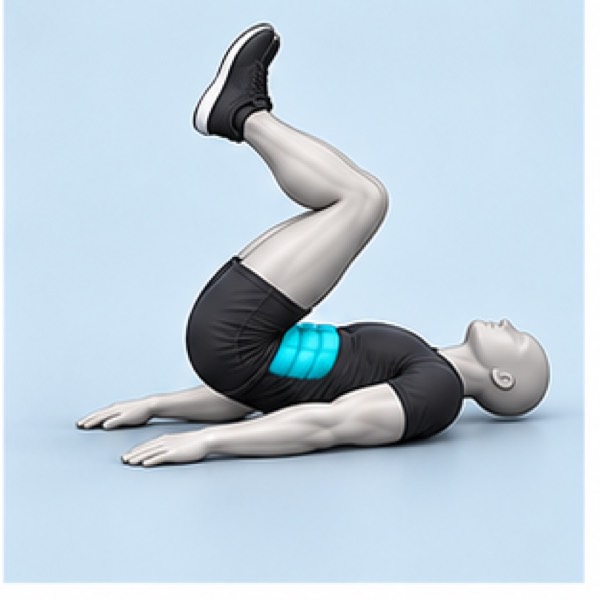
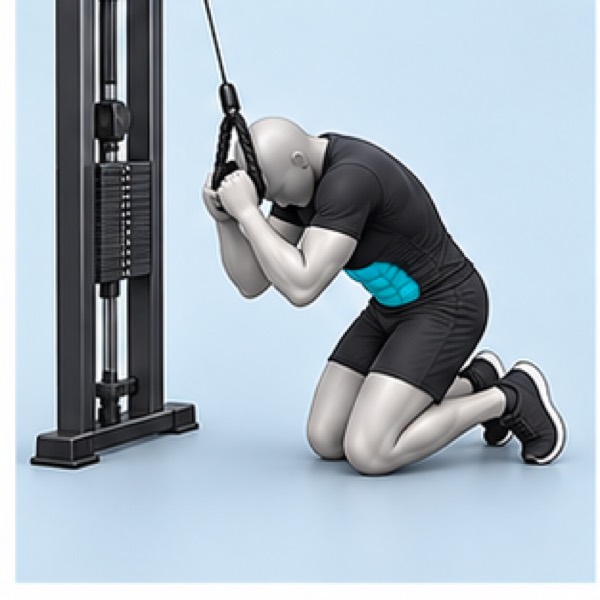
Frequently asked questions
What muscles does the hanging leg raise work?
Your rectus abdominis and hip flexors, especially the iliopsoas. Your obliques assist, and your forearms, lats and shoulders work to hold you on the bar for the whole set.
Does the hanging leg raise work abs or hip flexors?
Both. Up to horizontal, your hip flexors do most of the lifting; your abs really work once you curl your pelvis past that point. If you want more ab work, go higher and control the way down.
What if I can't do hanging leg raises with straight legs?
Start with hanging knee raises or the captain's chair. Once you can do 12–15 strict reps, straighten your legs gradually, first with a slight knee bend. If your hamstrings are tight, stretching them helps too.