 Zerolimits
Bulgarian split squat
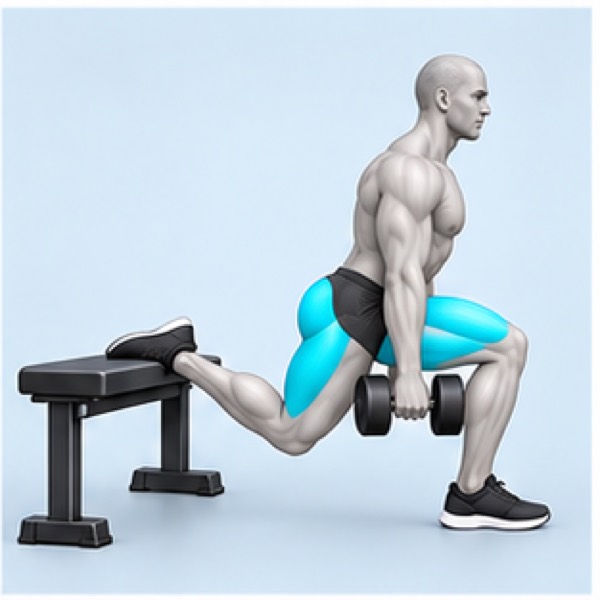
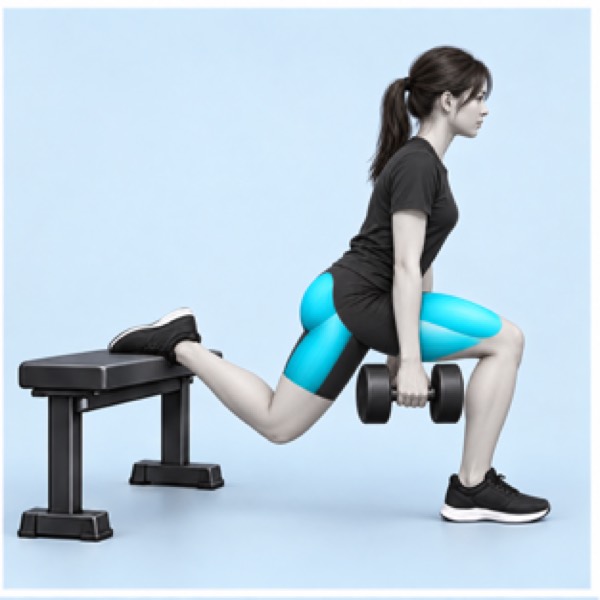
The Bulgarian split squat is a single-leg squat with your back foot resting on a bench. It mainly works the quads and glutes of your front leg, with lots of help from your adductors. It's also called the Bulgarian squat or, among coaches, the RFESS, and most people do it holding dumbbells.
- Primary muscle
- Quads
- Also works
- Glutes, Hamstrings
- Equipment
- Dumbbells
- Pattern
- Lunge
Muscles worked
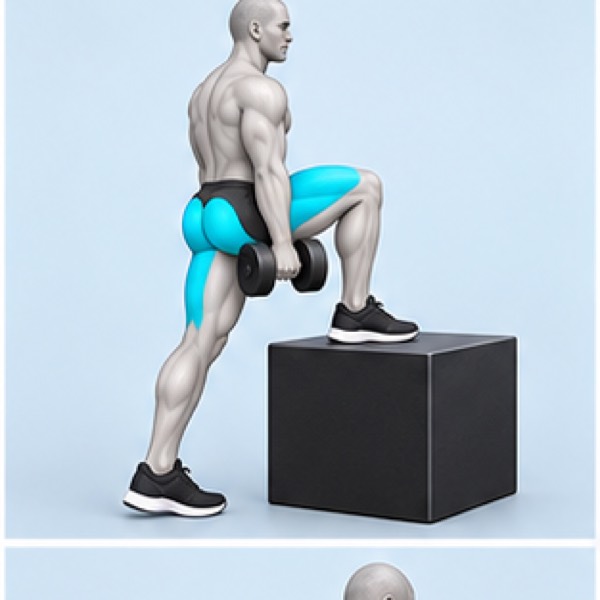
Your front leg carries almost all the load. Your quads, both the vasti and the rectus femoris, control the descent and straighten your knee. Your glute max and adductor magnus extend your hip and work in a deep stretch at the bottom. Your glute med keeps your pelvis level. Your back leg barely pushes; its hip flexor just stretches. A shorter stance with an upright torso puts the work on your quads; a longer stance with a forward lean puts it on your glutes.
How to do it
Setup
- Stand facing away from a flat bench at about knee height, 16–20 inches.
- Rest the top of one foot on the bench, laces down.
- Step your front foot out about 2–3 feet from the bench, depending on your height, feet hip-width apart and a dumbbell in each hand.
Execution
- Lower straight down by bending your front knee, with almost all your weight on that foot.
- Descend until your front thigh is parallel to the floor and your back knee hovers a few inches above it.
- Drive up through your whole front foot, heel and midfoot, until your leg is nearly straight.
- Finish all reps on one side before switching, starting with your weaker leg.
Key cue: Drop straight down, with your weight over your front foot.
Common mistakes
- Front foot in the wrong spot. Too close and your heel lifts and your knee takes extra stress; too far and you lose balance. Adjust until your whole foot stays flat at the bottom, then mark the spot so you can repeat it.
- Pushing with your back leg. That leg only balances. If you feel your back foot pressing into the bench, drop the weight and think about standing up with the front leg.
- Feet on a tightrope. You'll wobble and your knee will cave in. Set your feet hip-width apart, like on two rails.
- Using a bench that's too high. Your lower back arches and your back hip flexor gets yanked. Use one at knee height or a little lower.
Variations
- Glute-focused Bulgarian split squat: Front foot farther from the bench and torso leaning about 30° forward, dumbbells hanging in front of your front leg. More stretch and more glute work.
- Quad-focused Bulgarian split squat: Front foot closer and torso upright, letting your knee travel past your toes. This version loads your quads the most.
- Smith machine Bulgarian split squat: The bar runs on a track, so balance stops being the limit and you can load more. Good for heavy sets.
Sets and reps
It works better for 8–12 reps per leg than very heavy: with big loads, your balance and grip give out before your legs do. To build muscle and strength: 6–12 reps, 3–4 sets. When you complete the range on every set, add a little weight. That's double progression.
Alternatives
Frequently asked questions
What muscles does the Bulgarian split squat work?
Mainly the quads and glute max of your front leg, with help from the adductor magnus. Your glute med stabilizes your pelvis, and your hamstrings do little.
Does the Bulgarian split squat work glutes or quads more?
It depends on your setup. A longer stance and forward lean work your glutes more; a shorter stance and upright torso work your quads more. Either way, both muscles get plenty of work.
Bulgarian split squat vs lunge: which is better?
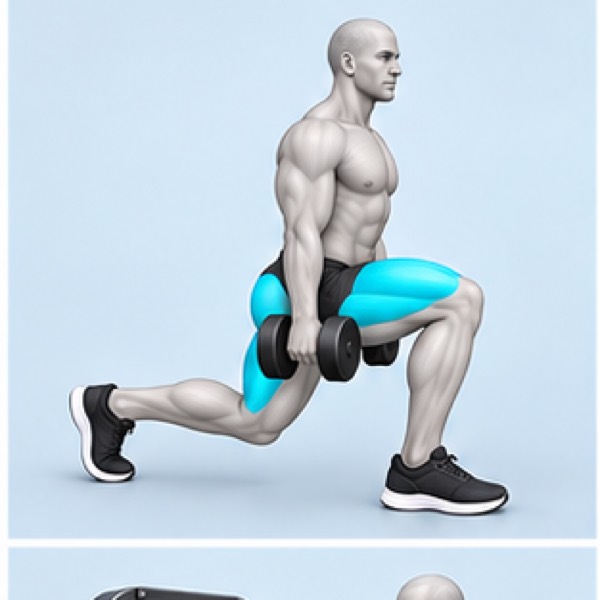
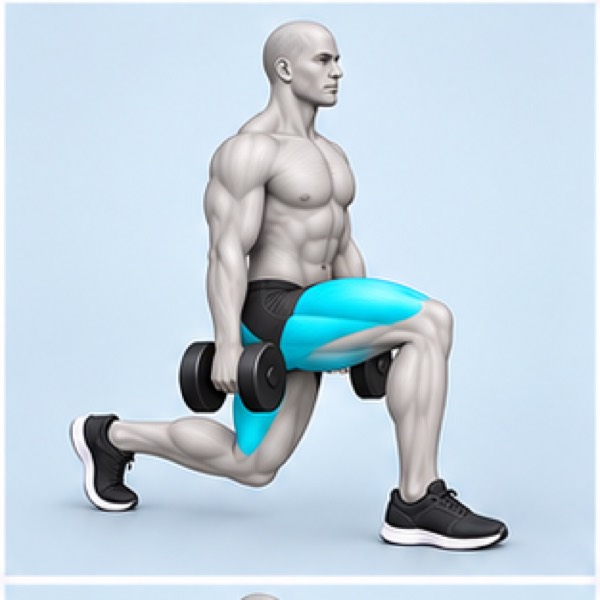
The Bulgarian split squat is more stable because your feet don't move, so you can go deeper and load each leg more. Lunges add the step, which takes more balance and coordination. For building muscle, the Bulgarian is easier to progress with weight.