 Zerolimits
Face pull
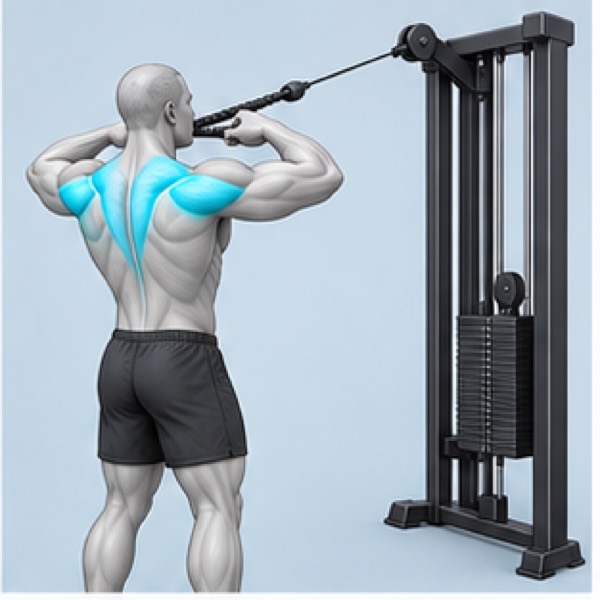
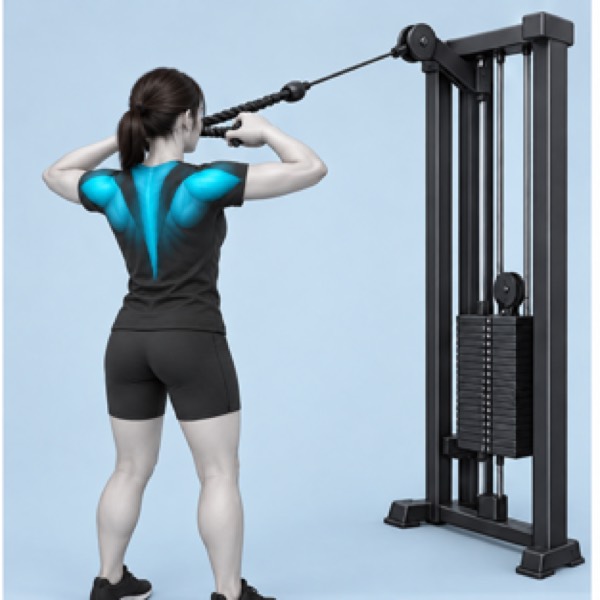
The face pull is a high-cable rope pull where you bring your hands toward your face with your elbows flared. It mainly works your rear delts and upper back, plus the external rotators of your shoulder, an area that pressing exercises barely train.
- Primary muscle
- Shoulders
- Also works
- Back
- Equipment
- Cable
- Pattern
- Shoulder isolation
Muscles worked
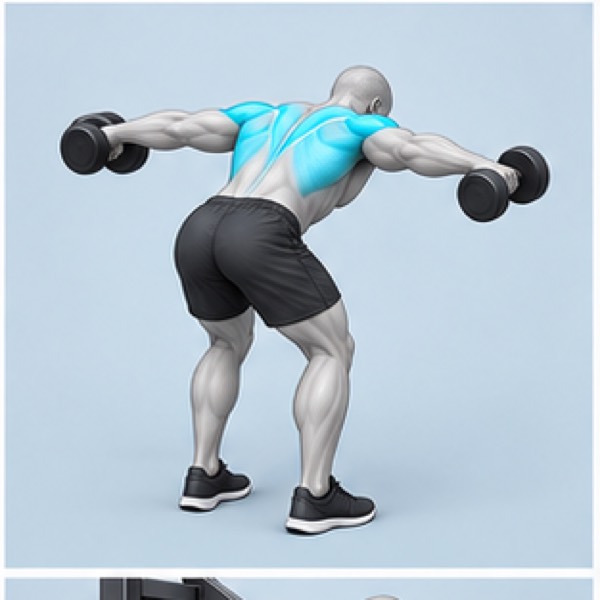
Your rear delts pull your arms back and do most of the work. Your middle and lower traps and rhomboids squeeze your shoulder blades together and down. Your infraspinatus and teres minor rotate your arms outward at the end, as your hands pass your ears. With low elbows, at chest height, it becomes more of a row and hits your mid-back harder; with high elbows and the finishing rotation, it targets your rear delts and rotator cuff.
How to do it
Setup
- Set the pulley at forehead height or slightly above and attach a rope.
- Grab the ends with your palms facing down or facing each other, and step back until your arms are straight and the weight is off the stack.
- Stagger your feet or keep them side by side, torso upright and abs braced.
Execution
- Pull the rope toward your face, driving your elbows out and back at shoulder height.
- At the end, pull the rope ends apart and rotate your arms outward until your hands are beside your ears, knuckles facing back.
- Hold for a second, squeezing your shoulder blades.
- Return under control until your arms are straight, letting your shoulder blades spread slightly.
Key cue: Keep your elbows high and wide; pull the rope apart and finish with your hands by your ears.
Common mistakes
- Going too heavy. You end up leaning back and pulling with your whole body. Your torso stays still; if it can't, drop a plate.
- Letting your elbows drop. It turns into a row to your face and you lose the finishing rotation. Keep your elbows at shoulder height or slightly above.
- Not pulling the rope apart. If your hands meet at your nose, the range is cut short. Pull the ends outward at the finish.
- Pushing your head forward to meet the rope. The rope comes to you; your neck stays neutral.
Variations
- Seated or kneeling face pull: With the pulley at face height in that position. It removes body sway and leg drive.
- Band face pull: With a band anchored at face height. Handy as a shoulder warm-up or for training at home.
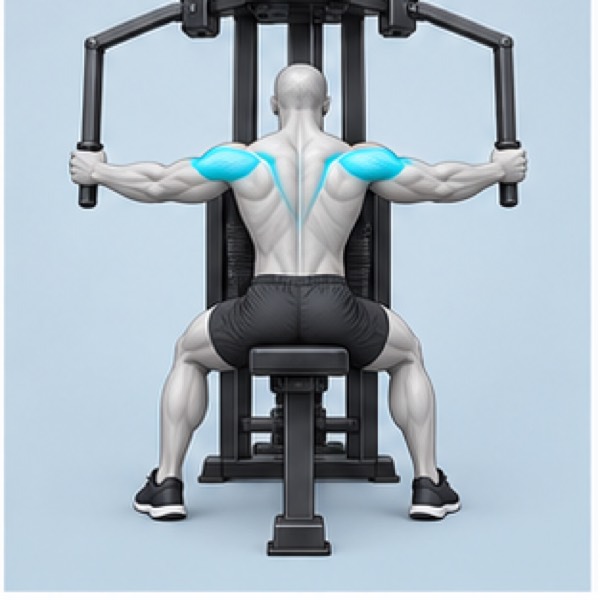
- Reverse pec deck: More stable and easier to load progressively. It isolates your rear delts, without the finishing rotation.
Sets and reps
It works well with light weight and 12–15 slow reps, holding the one-second pause on every rep. To build muscle and strength: 10–15 reps, 2–4 sets. When you complete the range on every set, add a little weight. That's double progression.
Alternatives
Frequently asked questions
What muscles do face pulls work?
Mainly your rear delts. Your middle and lower traps and rhomboids pull your shoulder blades back and down, and your external rotators, the infraspinatus and teres minor, turn your arms out at the finish.
What height should the cable be for face pulls?
At forehead height or slightly above, so you can pull with your elbows high. With the pulley lower, the movement turns into a row and works your mid-back more than your rear delts.
When should I do face pulls in my workout?
At the end of a back or shoulder session, or light as a warm-up before pressing. They're not very fatiguing, so you can do them 2–3 times a week without affecting the rest of your training.