 Zerolimits
Lateral raise
The lateral raise, also called the side raise or side lateral raise, is an isolation exercise where you raise dumbbells out to your sides. It mainly works your side delts, the part of your shoulder that adds width. You can also do it with a cable or on a machine.
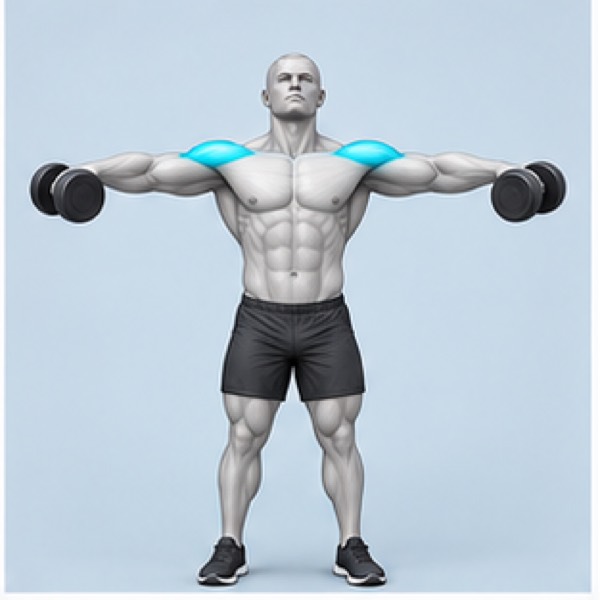
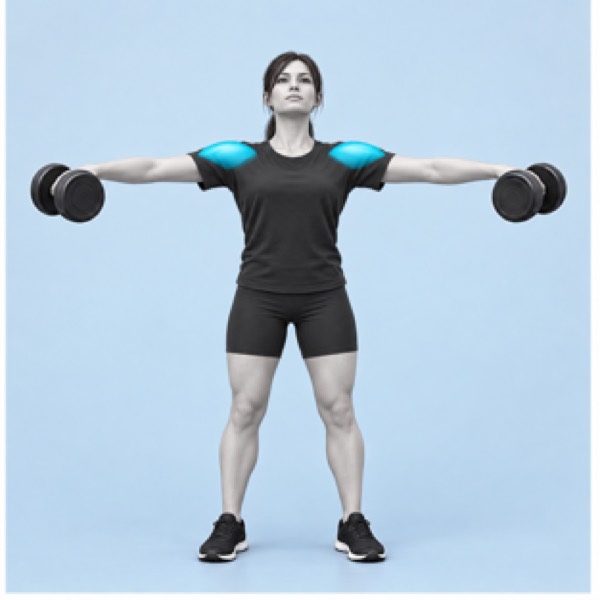
- Primary muscle
- Shoulders
- Also works
- —
- Equipment
- Dumbbells
- Pattern
- Shoulder isolation
Muscles worked
Your side delts lift your arms away from your body and do most of the work. Your supraspinatus helps in the first few degrees, your front delts join in mostly if the dumbbells travel in front of you, and your upper traps and serratus anterior kick in as you near horizontal. With your torso tipped slightly forward and your arms about 20–30° in front of your body, many lifters find it easier on the shoulder.
How to do it
Setup
- Stand with your feet hip-width apart and a dumbbell in each hand, at your sides or slightly in front of your thighs.
- Lean your torso forward a little, set your shoulders down and bend your elbows slightly.
Execution
- Raise your arms out to the sides, leading with your elbows, hands level with your elbows or slightly below.
- Stop when your arms are parallel to the floor, without shrugging.
- Lower over 2–3 seconds until the dumbbells nearly touch your thighs, without letting them hang there to rest.
Key cue: Push the dumbbells out to the sides, not up.
Common mistakes
- Going too heavy and swinging. The momentum comes from your legs and back, not your shoulders. It's normal to use far less weight than on overhead presses.
- Shrugging. Your traps steal the tension. Keep your neck long and your shoulders down for the whole set.
- Bending your elbows more and more. The lever gets shorter and the raise turns into an upright row. Lock in your elbow angle from the first rep.
- Raising the dumbbells too far in front. If your arms end up in front of you, your front delts do most of the work, and they already get plenty from pressing.
Variations
- Cable lateral raise: Keeps tension at the bottom, where the dumbbell barely loads you. Done one arm at a time with the cable crossing in front of your body.
- Seated lateral raise: Sitting on the end of a bench takes your legs out of it. Useful if you tend to swing.
- Lean-away lateral raise: Hold a post with your free hand and lean away from it. It adds tension at the start of the rep.
Sets and reps
They work well at the high end of the range, 12–15 reps, with a weight you can control on the way down. To build muscle and strength: 10–15 reps, 2–4 sets. When you complete the range on every set, add a little weight. That's double progression.
Alternatives
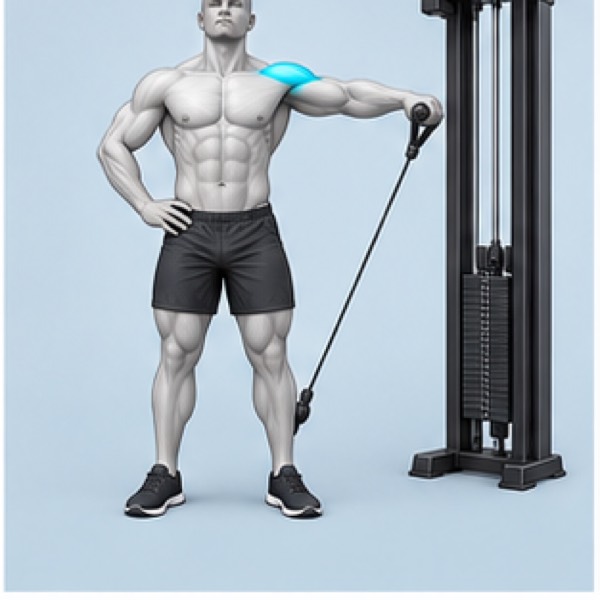 Cable lateral raiseCable
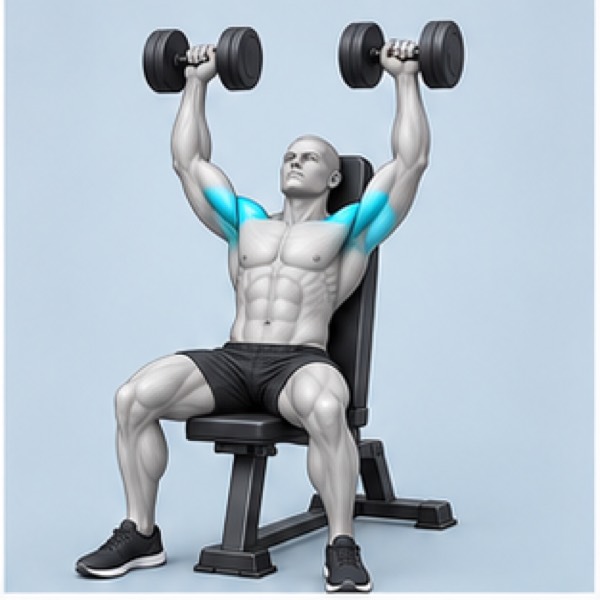 Dumbbell shoulder pressDumbbells
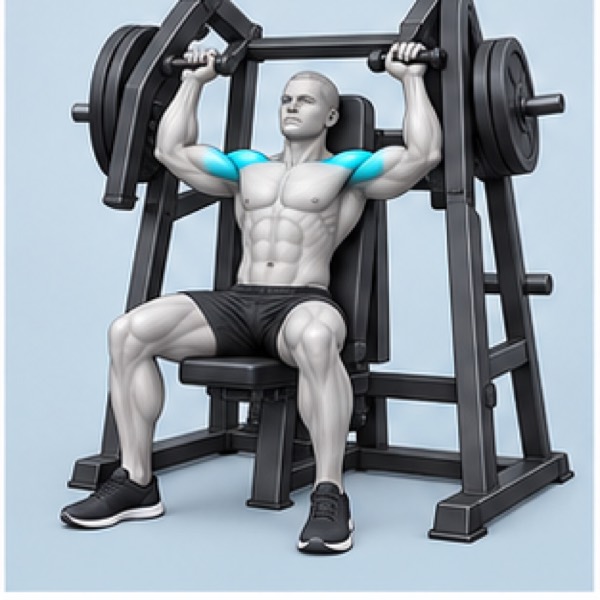 Machine shoulder pressMachine
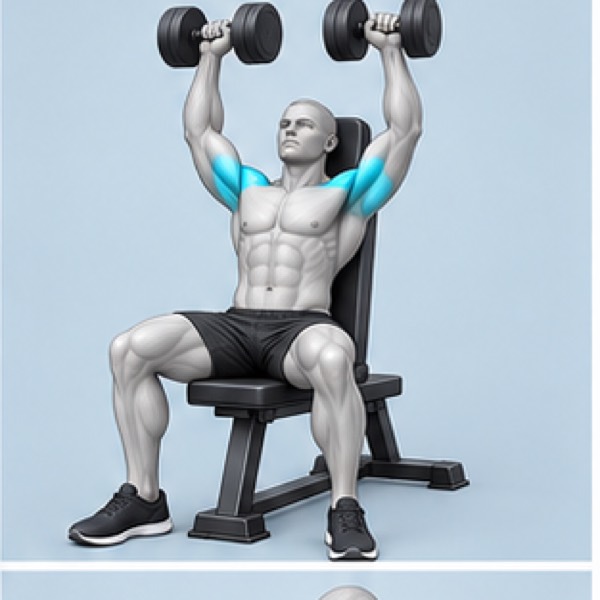 Arnold pressDumbbells
Frequently asked questions
What muscles do lateral raises work?
Mainly your side delts, the part that gives your shoulders width. Your supraspinatus helps start the lift, and your front delts and, near horizontal, your upper traps assist.
Dumbbell vs cable lateral raises: which is better?
Both train the side delts. With dumbbells the tension peaks at the top and is close to zero at the bottom; with a cable it's there from the start. Pick the one you can progress best, or use both in the same week.
How high should you raise your arms in a lateral raise?
To shoulder height, arms parallel to the floor. Going higher isn't dangerous, but the dumbbell loads your side delts less and less while your upper traps take over more of the work.
How heavy should lateral raises be?
Heavy enough for 12–15 reps without swinging, taking 2–3 seconds to lower. If you have to move your torso to lift, go lighter: the side delt is a small muscle and responds well to light loads.