 Zerolimits
Machine chest fly
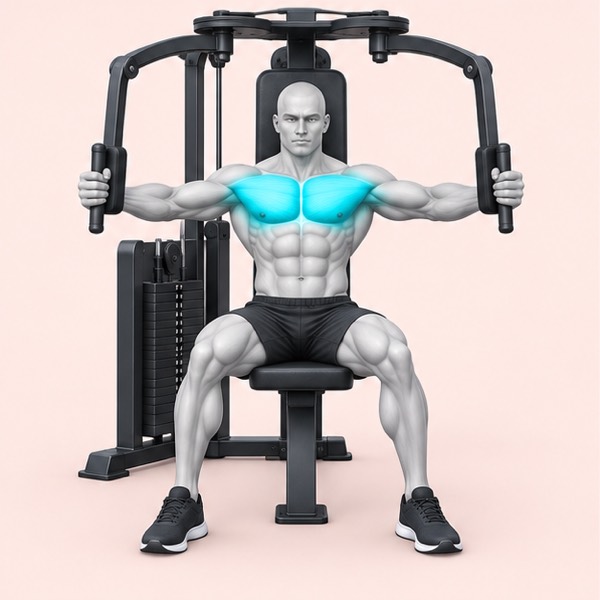
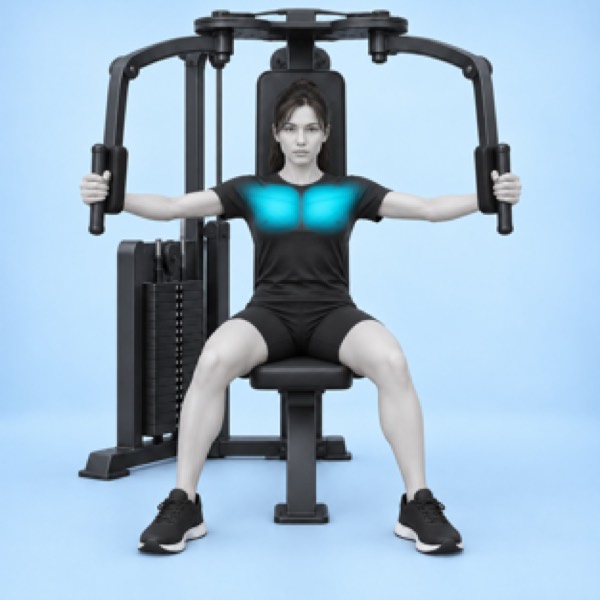
The machine chest fly is a chest isolation exercise that mainly works your pecs, with help from your front delts. You sit with your back against the pad and bring your arms together in front of you along the machine's arc. Most gyms call it the pec deck or the pec fly machine.
- Primary muscle
- Chest
- Also works
- Shoulders
- Equipment
- Machine
- Pattern
- Chest isolation
Muscles worked
Your pec major does nearly all the work, bringing your arms in until the handles meet. Your front delts assist and your biceps only hold the elbow in place. Because the machine guides the path and your back is supported, there's little to stabilize, so you can focus on your chest. Height matters: with the handles at mid-chest level your pecs lead; if they sit above your shoulders, your front delts take more of the load.
How to do it
Setup
- Adjust the seat so the handles line up with the middle of your chest when your arms are open.
- If the machine has a range setting, set it so you feel a stretch at the start without your hands going behind your shoulders.
- Sit with your back flat against the pad, feet on the floor and elbows slightly bent.
Execution
- Lift your chest and set your shoulders down before the first rep.
- Bring the handles together in front of your chest on an arc, without bending or straightening your elbows.
- Squeeze for a second with your hands almost touching.
- Open slowly, over 2–3 seconds, until you feel a stretch in your chest, and start the next rep before the plates touch down.
Key cue: Think about bringing your elbows together, not your hands: your chest closes and your arms just follow.
Common mistakes
- Coming off the back pad as you close. Your torso tips forward and your shoulders take over; keep your back on the pad and lower the weight.
- Setting the seat wrong. With the handles above shoulder height, your front delts do more of the work; lower the seat until they line up with your chest.
- Opening too far. If your hands go behind your body, your shoulder is in a stressed position; adjust the range setting or stop sooner.
- Letting the weight drop on the way back. If the plates crash every rep, you're skipping half the exercise; control the opening.
Variations
- Pad version: Your forearms rest on pads with your elbows at 90°. More comfortable if the straight-arm version bothers your biceps or elbows.
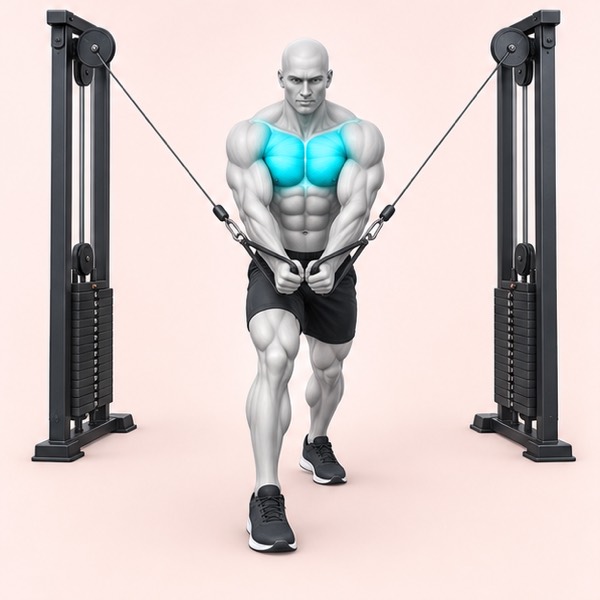
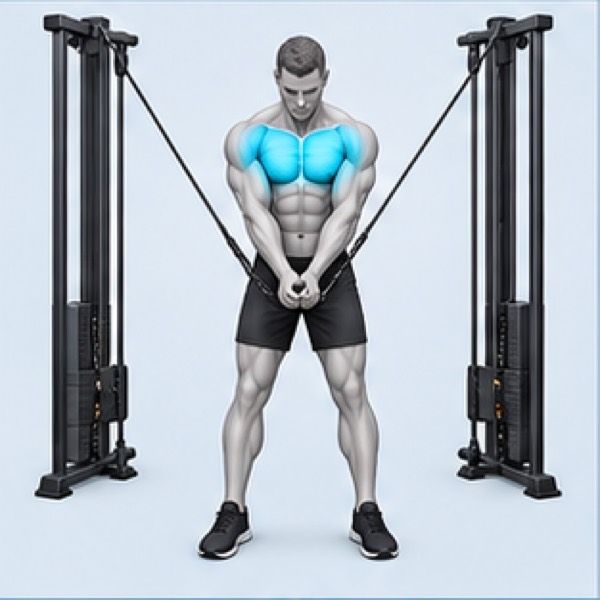
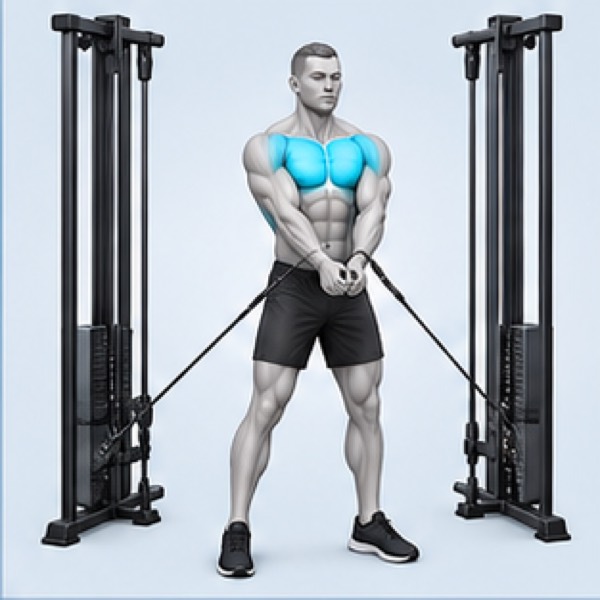
- Cable crossover: Standing between two pulleys with no back support. Same muscles, but you have to stabilize your torso and you can change the angle.
- Single-arm pec deck: One arm at a time, free hand on the seat. Useful if one side of your chest lags behind the other.
Sets and reps
It works best for 10–15 reps with a weight you can control on the way back, and it's a safe place to push close to failure. To build muscle and strength: 10–15 reps, 2–4 sets. When you complete the range on every set, add a little weight. That's double progression.
To build a full session, see our chest workout at the gym.
Alternatives
Frequently asked questions
What muscles does the pec deck work?
Mainly your pec major, which brings your arms together in front of your body. Your front delts assist; your triceps stay out of it because your elbows don't straighten.
Pec deck vs dumbbell fly: which is better?
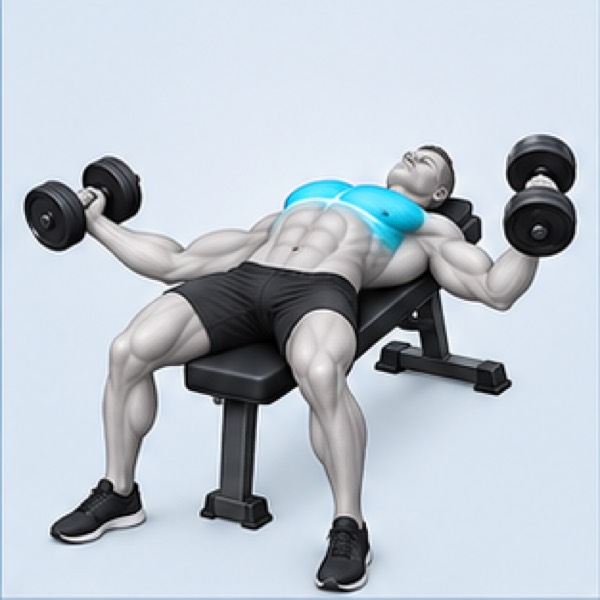
The machine keeps tension through the whole rep and lets you train close to failure without risk. Dumbbells load mostly the stretched position and demand more control. Both build your chest.
Can you use the pec deck for your back?
Yes. Sit facing the pad and open your arms backward: that's the reverse pec deck, which works your rear delts and upper back. Facing away from the pad and closing your arms, it works your chest.