 Zerolimits
Push-up
The push-up is a bodyweight press that mainly works your chest, with help from your triceps and front delts, while your abs keep your body straight. With your hands and toes on the floor, you lower your chest until it nearly touches and push back up. It needs no equipment and scales from beginner to advanced.
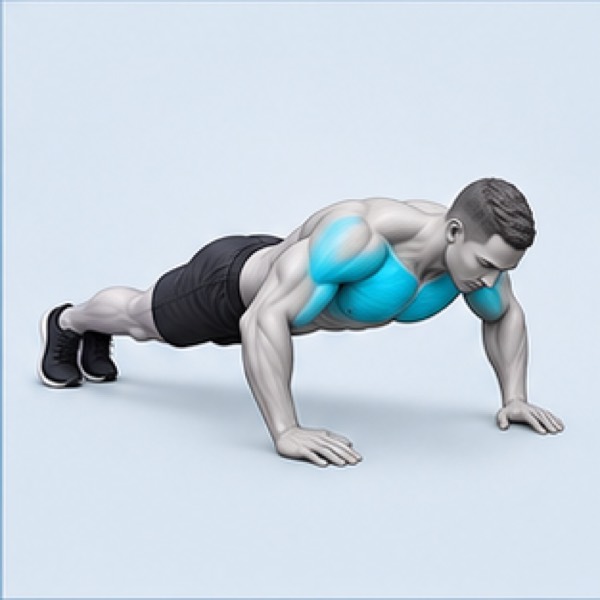
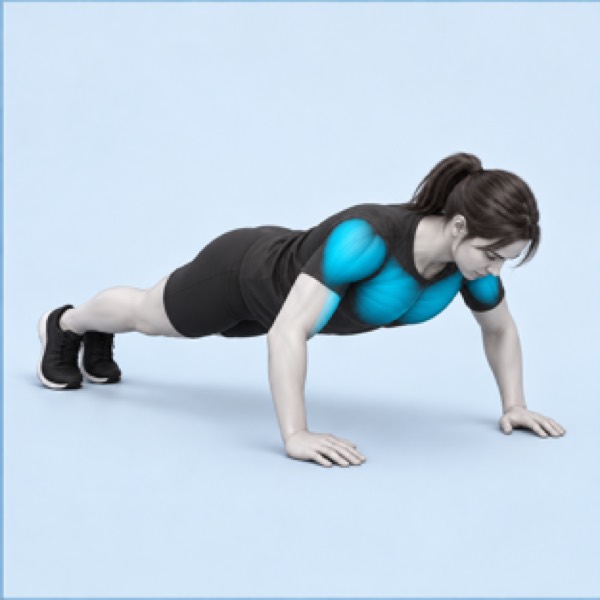
- Primary muscle
- Chest
- Also works
- Shoulders, Triceps
- Equipment
- Bodyweight
- Pattern
- Horizontal press
Muscles worked
Your pec major does most of the pushing, your front delts help on the way down and your triceps straighten your elbows on the way up. Your serratus anterior spreads your shoulder blades at the top of each rep. Your abs, glutes and quads work isometrically to keep your hips from sagging. A narrower hand position shifts work to your triceps, a wider one to your chest, and raising your feet loads your upper chest and shoulders.
How to do it
- Place your hands on the floor slightly wider than your shoulders, fingers forward, and straighten your legs onto your toes.
- Squeeze your glutes and abs so your heels, hips and head form a straight line.
- Lower over about 2 seconds, elbows about 45° from your body, until your chest is a fist's height off the floor or brushes it.
- Push the floor away until your arms are straight, spreading your shoulder blades slightly at the top.
- Hold that line for the whole set: your chest and hips rise together.
Key cue: Elbows at 45° and body in one piece: your chest and hips move up and down together.
Common mistakes
- Letting your hips sag. Your lower back arches and your abs switch off; squeeze your glutes, and if you can't hold the line, put your hands on a bench.
- Flaring your elbows straight out. It loads your shoulders and costs you strength; keep them about 45° from your body, hands in line with your mid-chest.
- Doing half reps. If your chest stops several inches off the floor, it does half the work; go almost all the way down and do fewer reps.
- Reaching with your head. Your chin hits the floor before your chest; look at the floor slightly ahead of your hands.
Variations
- Incline push-up: Hands on a bench, higher than your feet, means you push less weight. Start here if you can't do 5–6 full push-ups yet: you practice the same body line as a regular push-up.
- Decline push-up: Feet on a bench puts more weight on your arms and works your upper chest harder.
- Diamond push-up: Hands together under your chest put much more work on your triceps.
Sets and reps
If you can't do 6, start with your hands on a bench; once you can do more than 20 in a row, move to a harder version or wear a weight vest. To build muscle and strength: 6–12 reps, 3–4 sets. When you complete the range on every set, add a little weight. That's double progression.
To build a full session, see our chest workout at the gym.
Alternatives
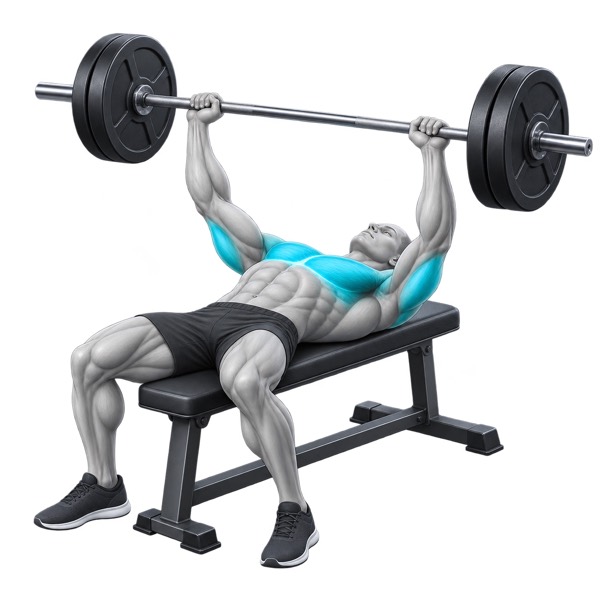 Barbell bench pressBarbell
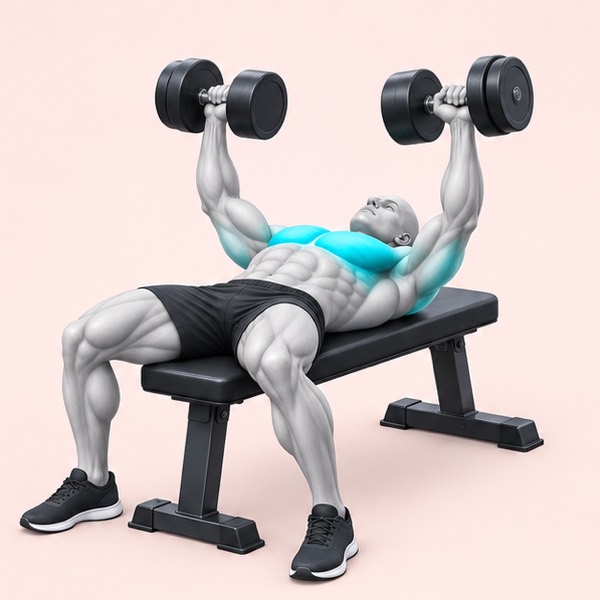 Dumbbell bench pressDumbbells
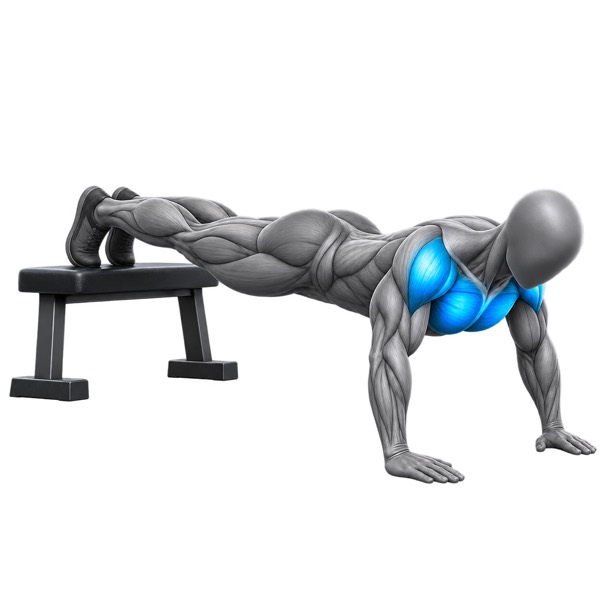 Decline push-upBodyweight
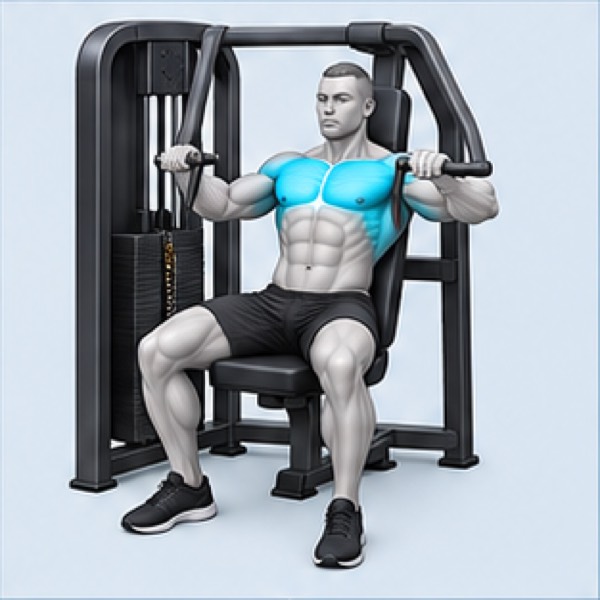 Machine chest pressMachine
Frequently asked questions
What muscles do push-ups work?
Mainly your chest, with help from your triceps and front delts. Your abs and glutes work to keep your body straight for the whole set.
How many push-ups should you do a day?
You don't need to do them daily. For strength and muscle, 3–4 sets close to failure, 2–3 times a week, is enough. Lots of easy reps every day add little if you never get close to failure.
Can push-ups build your chest?
Yes, as long as each set takes you close to failure. Once you pass 20 in a row, sets get long and it's hard to get near failure: raise your feet, add weight or move to a harder variation.